Asteroid Mining // NEAs
← Return to Main

Near-Earth Asteroids (NEAs)

NEAs are asteroids with orbits that bring them within 1.3 Astronomical Units (AU) of the Sun. Because they reside in Earth's neighborhood, they serve as the most accessible "gas stations" and "mineral deposits" for the early space economy.
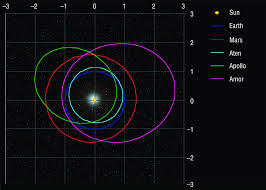
Orbital Classifications

NEAs are categorized into four distinct groups based on their orbits relative to Earth's orbit. Understanding these paths is critical for launch window planning.

The Delta-V Advantage

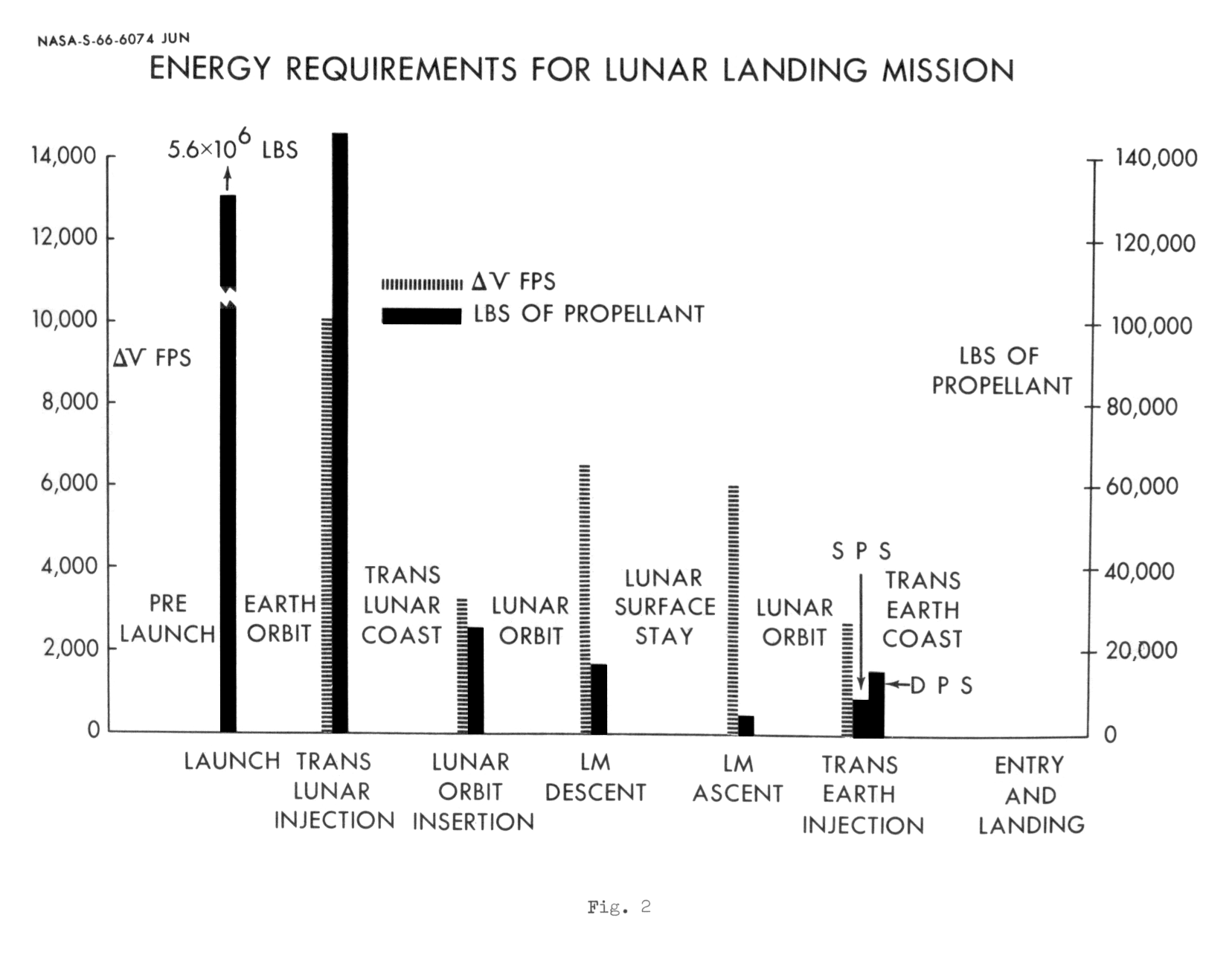
In spaceflight, distance matters less than Delta-V (change in velocity). Delta-V is the "energy budget" required to reach an object.

Moon Landing Delta-V: ~6.0 km/s
High fuel cost to land and take off.
NEA Rendezvous Delta-V: ~3.8 km/s
Many NEAs are energetically "closer" than the Moon because they have negligible gravity wells. You don't land on them; you dock with them.
Delta V Chart

Prime Mining Candidates

Current exploration missions have identified several high-value targets within the NEA population.

Asteroid Name Type Estimated Value / Resources Notes
162173 Ryugu C-Type Water, Organics, Clay Sampled by JAXA (Hayabusa2). Rich in water-bearing minerals.
101955 Bennu C-Type Carbon, Water, Iron Sampled by NASA (OSIRIS-REx). High potential for fuel production.
3554 Amun M-Type $20 Trillion (Platinum/Gold) Theoretical "treasure chest" of heavy metals.
433 Eros S-Type Magnesium, Silicon, Gold The first asteroid orbited by a probe (NEAR Shoemaker).